
Florida citrus waste becomes climate solution in Hardee County
By Trimmel Gomes
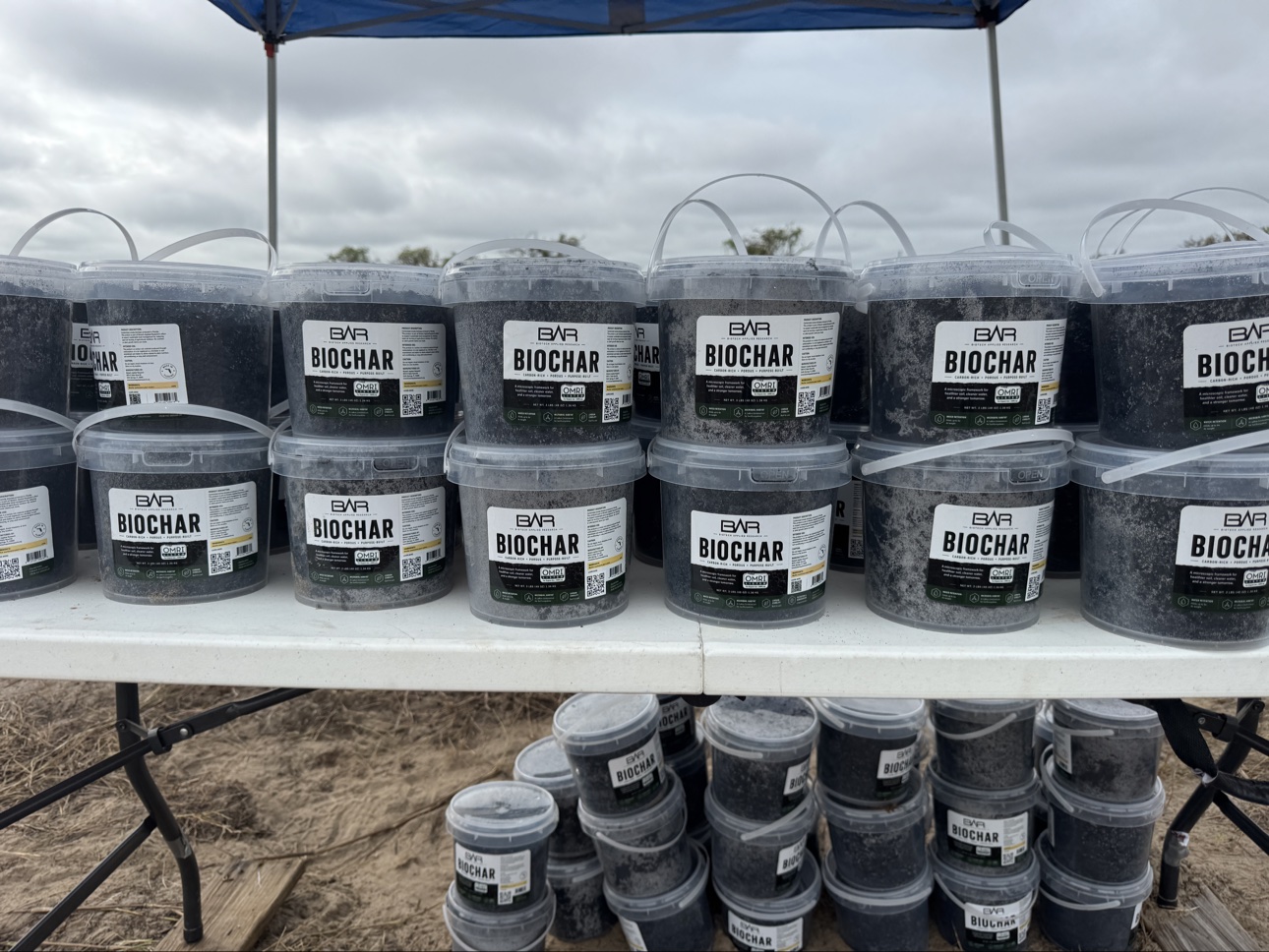
On a farm in Hardee County, a skid steer pushes dead citrus trees into piles. A machine called the Tigercat 6040 burns them at high heat and out the back comes biochar, a black, charcoal-like substance that holds water and nutrients and can be worked back into the soil.
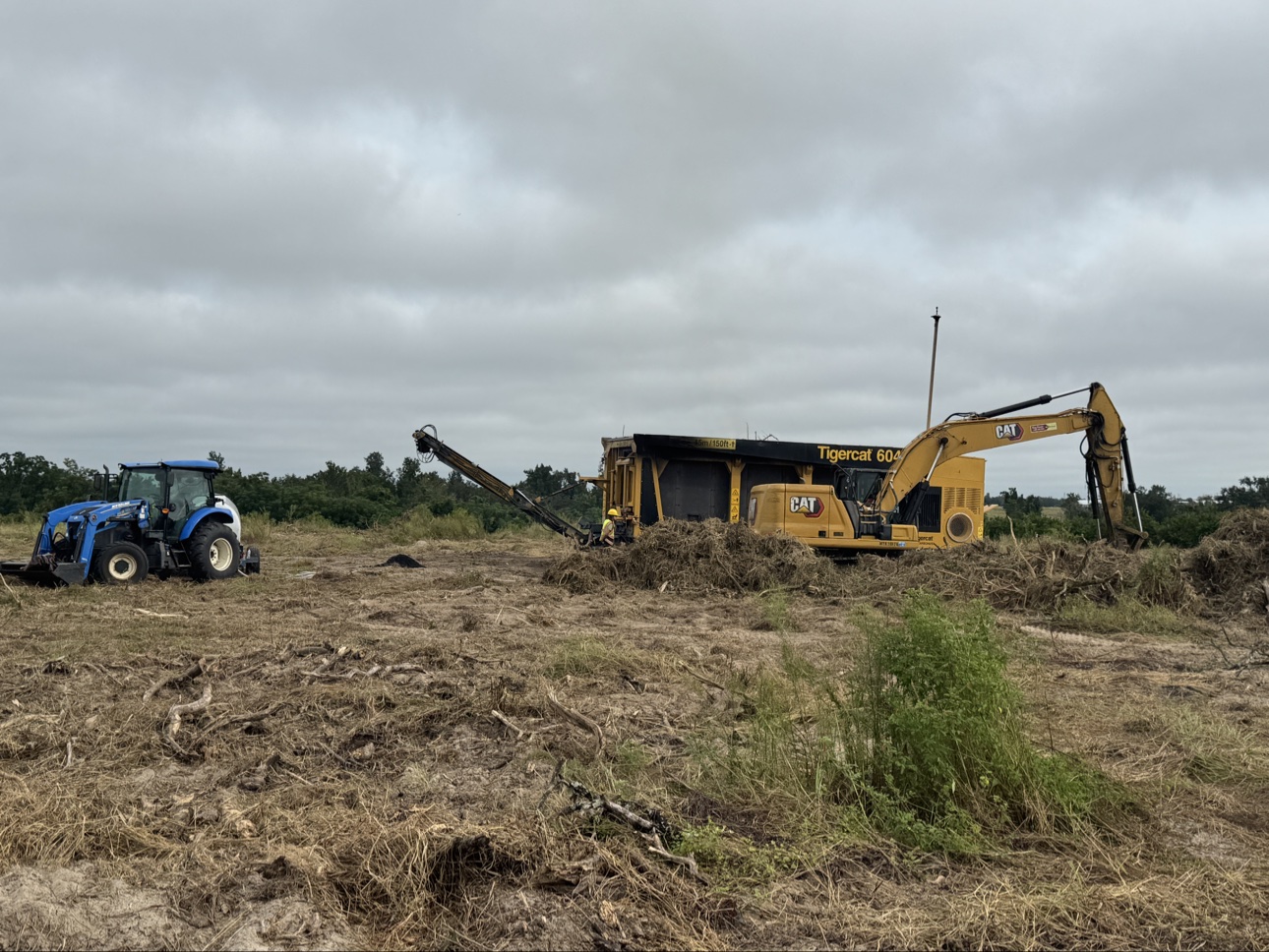
It was a live demonstration for VoLo Foundation’s Florida Climate Week and the trees being fed into the machine are casualties of citrus greening, a disease that has devastated the state’s groves.
Zack Farr, president of Biotech Applied Research, the nonprofit behind the project and a third-generation citrus farmer, said capturing the carbon has benefits.
“For every acre of citrus trees, we’re emitting about 11 tons of CO2 when we burn them. That CO2 does have carbon that we could use. So rather than burn the carbon, we can store that carbon,” Farr pointed out.
Farr noted Hardee County had 38,000 acres of active citrus in 2024. This year, it’s down to about 18,000, a loss of 20,000 acres in two years. Statewide production has dropped 95% over two decades. The disease has caused more than $4.5 billion in economic damage and eliminated thousands of jobs, according to a University of Florida study. No cure has been found.
Jeff Williams, a fourth-generation citrus grower in Highlands County and a partner with Farr, said greening has devastated the industry. “Right now it’s overcoming the disease of greening and it’s taken out over 200 million boxes. We’re down to about 10 million right now, and I don’t know how many acres of grove we’ve lost. By the grace of God, I’m still in business with about 70 acres, so I feel thankful and very blessed,” Williams added.
Williams stressed growers are still fighting greening every day and are improving their techniques. He pointed out the biochar project is one way to help the next generation stay in farming.
Caroline Chomanics, chief operations officer of the sustainability nonprofit IDEAS For Us, which helped secure state funding for the project, said the biochar goes back onto the land it came from.
“We’re basically taking citrus stock that has been dead and other plant materials on these farmers’ land. We’re feeding that into a machine called a Tiger Cat that burns the plant material and creates a byproduct called biochar,” Chomanics explained.
The project will generate 500 tons of biochar for local farmers. Chomanics emphasized biochar can reduce water and fertilizer inputs by as much as 50% per acre, which could also cut the runoff that fuels algae blooms and red tide. Farr said the same technology can turn hurricane debris and other wood waste into biochar, keeping it out of landfills.
This story was originally published by Public News Service.